The Decline of the Christmas Plate Collectibles Market
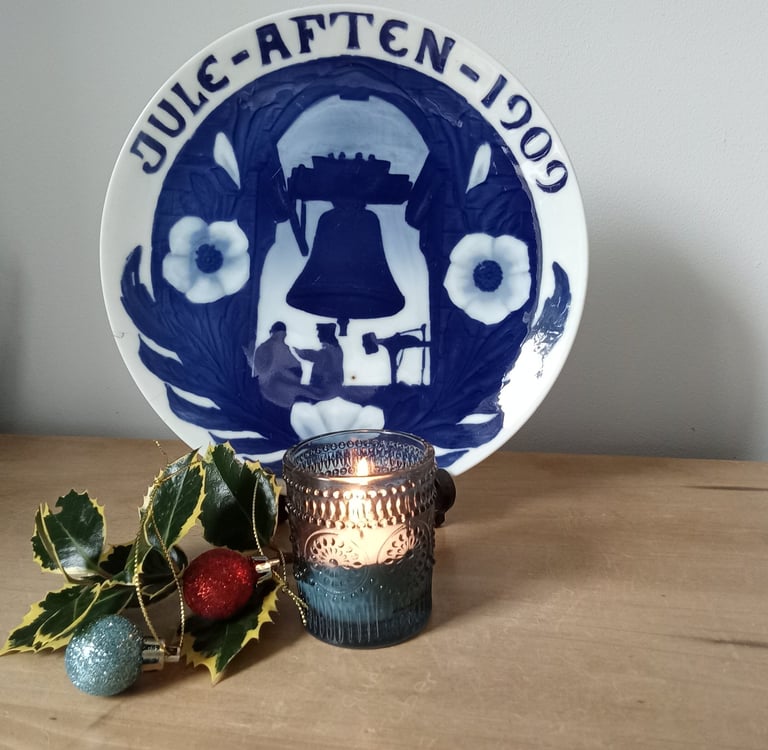
Collecting Christmas Plates is now a niche market, but they were once widely sought. This blog explores why these lovely plates are no longer as popular.

The Decline of the Christmas Plate Collectibles Market
Understanding the Factors Behind a Fading Tradition
Christmas plates, once a cherished holiday collectible and a staple of festive décor for many households, have seen a significant decline in popularity and market value over recent decades. This blog explores the history of Christmas plate collectibles, their rise to prominence, and the multifaceted reasons contributing to their current downturn.
A Brief History of Christmas Plate Collecting
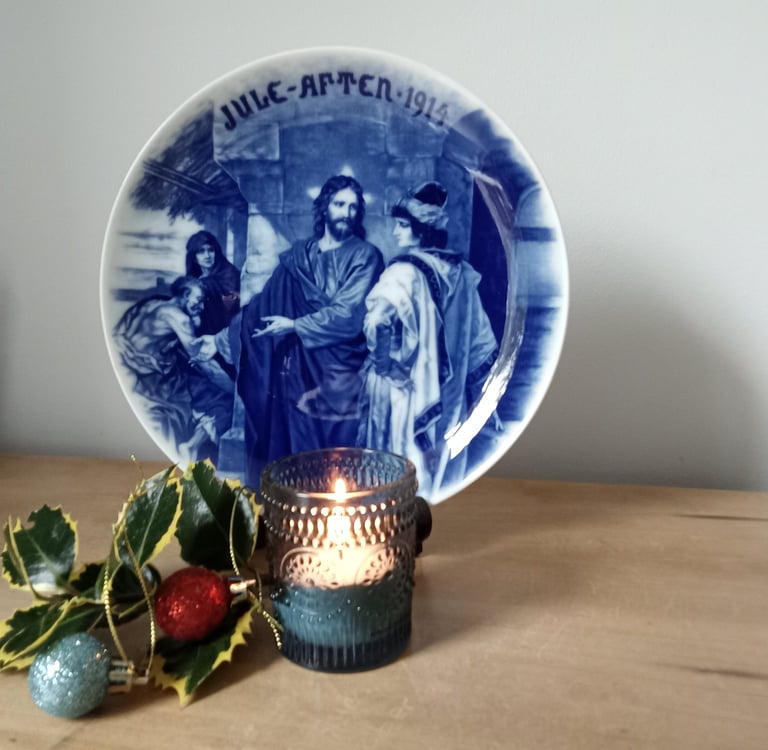
The tradition of Christmas plates dates back to the late 19th and early 20th centuries, with European porcelain manufacturers such as Bing & Grøndahl, Bucha & Nissen, and Royal Copenhagen in Denmark leading the way. These annual releases, often featuring winter scenes or festive motifs, quickly became sought-after items, treasured by collectors and given as gifts across generations. By the mid-20th century, the trend had spread internationally, with companies in the UK, Germany, and the United States producing their own series.
The Golden Age of Christmas Plate Collectibles
The 1970s and 1980s are widely regarded as the golden era for Christmas plate collecting. During this period, limited edition releases, high-quality craftsmanship, and the promise of appreciating value made these plates attractive to both hobbyists and investors. Plates were often displayed in cabinets, passed down as heirlooms, or traded at collector fairs and auctions.
Key Factors in the Market’s Decline
Changing Consumer Tastes: Modern home décor trends favour minimalism and functionality over ornate or seasonal collectables. Younger generations are less inclined to dedicate space to display plates, preferring experiences or digital assets over physical memorabilia.
Market Saturation: As the popularity of Christmas plates soared, many manufacturers flooded the market with large production runs and multiple annual releases. This oversupply reduced scarcity, undermining the value proposition for collectors and investors.
Decline in Secondary Market Value: Unlike fine art or rare coins, the vast majority of Christmas plates have failed to maintain or increase their value on the resale market. Many plates now sell for less than their original retail price, dissuading both new and existing collectors.
Generational Shift: Collecting habits have shifted dramatically. Millennials and Generation Z, who tend to prioritise sustainability, mobility, and digital engagement, show little interest in traditional collectibles like Christmas plates.
Online Marketplaces and Changing Distribution: The rise of online auction sites and marketplaces made it easier to buy and sell plates, but also revealed the extent of oversupply. With thousands of plates available at any given time, sellers face stiff competition and falling prices.
Economic Factors: Periods of economic uncertainty have led consumers to cut back on non-essential purchases, including collectibles. The market for luxury and decorative items is often among the first to be affected during downturns.
Impact on Manufacturers and Collectors
As demand has dwindled, many manufacturers have discontinued their Christmas plate series altogether, while others have reduced production numbers or shifted focus to other product lines. Also, the ceramic industry has, over many years, seen a a fair few number of factories close their doors due to economic decline, and changes in lifestyle trends. For example, Bucha & Nissen, ceased production in 1968. For collectors, the decline has been bittersweet; while some lament the loss of tradition and diminishing value, others continue to cherish the artistry and nostalgia these plates evoke.
The Future of Christmas Plate Collectibles
While the mass market for Christmas plates has sharply declined, niche interest remains. Some rare early editions or plates with unique provenance still command respectable prices among dedicated enthusiasts. However, the overall trend suggests that Christmas plates are unlikely to regain their former popularity or investment appeal. Instead, they are likely to remain a sentimental relic of a bygone era, valued more for personal or historical significance than financial return.
The decline of the Christmas plate collectibles market is the result of a complex interplay between changing tastes, market dynamics, and broader cultural shifts. While their heyday may have passed, Vintage Christmas plates continue to hold a special place in the hearts of those who grew up with them, serving as a reminder of both the joy of Christmas, and also the appreciation of the meaningful artwork and craftsmanship of the ceramicist of yesteryear.



recolligo
© 2025 recolligo. All rights reserved.
Subscribe to our newsletter
07928278891




Sign up to our newsletter for exclusive offers. new arrivals, and inspiration on sustainable gifts. Follow us on social media for sneak peeks, behind-the-scenes stories , and tips on caring for your vintage finds.